Material Intelligence: Rethinking Material Choices in Contemporary Design How Spaces Are Felt, Not Just Seen
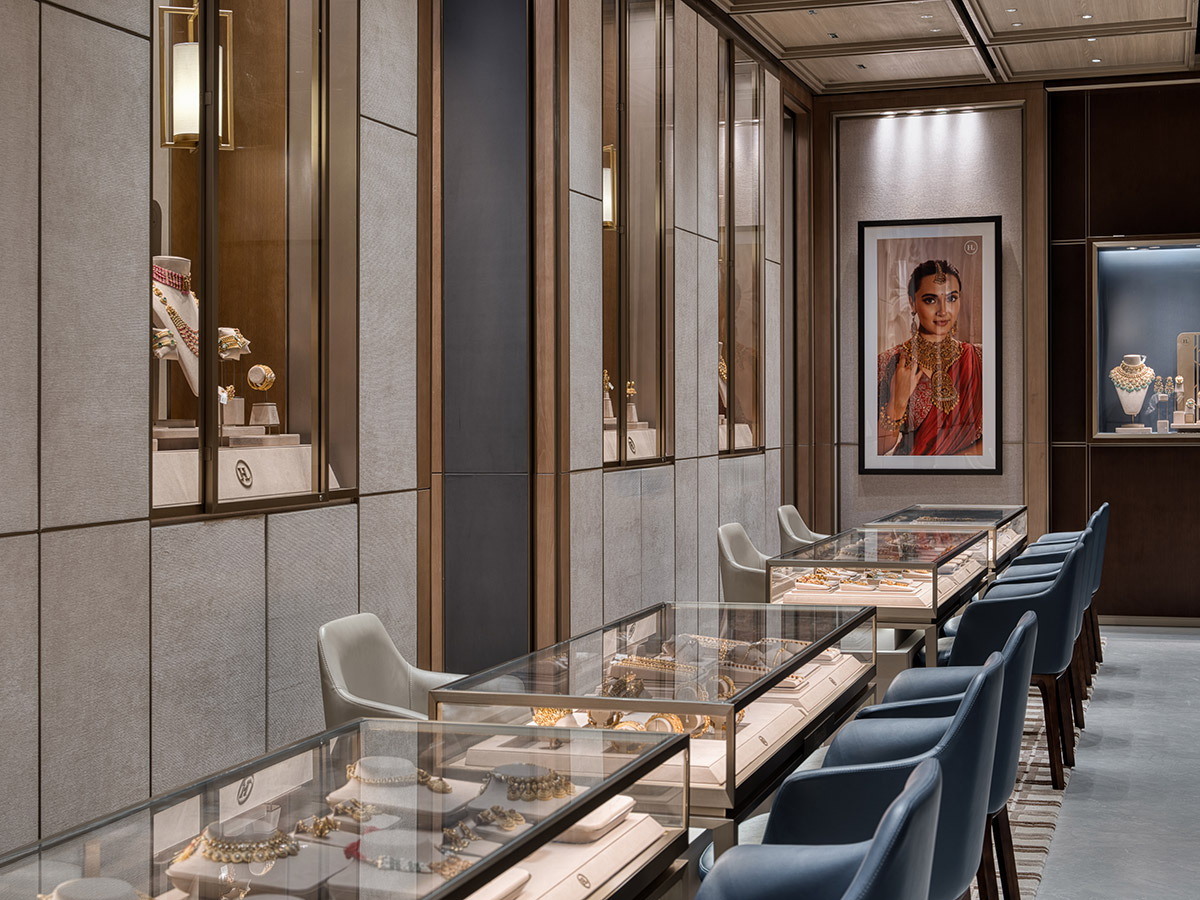
Material choice is often discussed in terms of finish, palette, or trend. But long before a material is admired visually, it is already being processed by the body. Temperature underfoot. Acoustics in a room. The way light is absorbed or reflected. The pace at which one moves instinctively through a space.
This is where material intelligence begins.
Material intelligence is the understanding that materials are not neutral. They influence behaviour, mood, and perception—often without conscious awareness. As designers, our responsibility is not only to choose materials that look appropriate, but to select those that respond correctly to how a space is meant to be lived in or experienced.
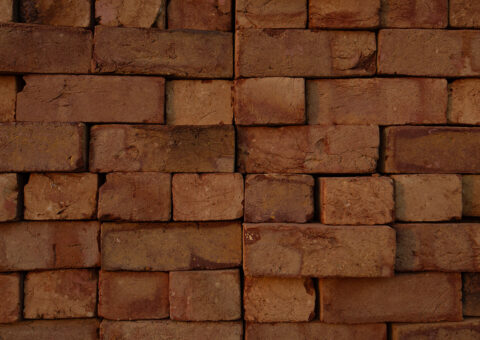
In residential design, this sensitivity becomes deeply personal. A home is not a place of constant stimulation. It is a space that must support routine, rest, familiarity, and emotional ease. Materials like timber introduce warmth and reduce perceived stress. Stone offers a sense of grounding and permanence. Brick creates rhythm and order at a human scale. Concrete, when used with restraint, removes visual noise and allows clarity. Metal, introduced selectively, brings precision and definition.
These responses are not symbolic. They are physiological. Our bodies register texture, hardness, reflectivity, and acoustic behaviour long before our minds assign meaning.
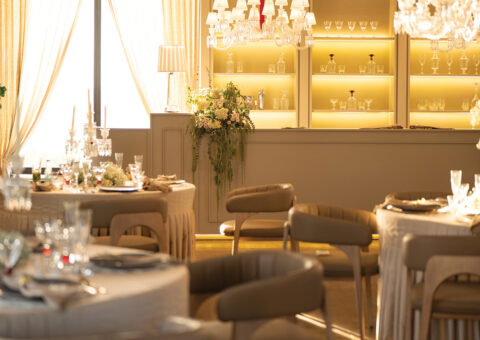
Hospitality spaces operate differently, but the principle remains the same. Hotels, resorts, and public interiors are designed around movement, transition, and memory. Here, materials guide experience. Timber relaxes on arrival. Stone anchors shared spaces. Brick introduces familiarity in large volumes. Concrete creates calm backdrops that allow activity to unfold without distraction. Metal directs attention—towards thresholds, circulation, or moments of focus.
The difference lies not in the materials themselves, but in how deliberately they are composed.
Material intelligence also requires restraint. Overuse dulls impact. A space layered excessively with “statement materials” often becomes restless rather than rich. Intelligent materiality understands when to recede and when to speak. It values continuity over novelty. It allows light, proportion, and spatial planning to lead, with materials supporting rather than competing.
In practice, this means asking better questions early in the design process. How should this space feel at different times of day? Where should movement slow, and where should it flow? Which surfaces will be touched often, and which should remain visually quiet? How will the space age—not just aesthetically, but emotionally?
When these questions guide material decisions, design becomes less about composition and more about experience.
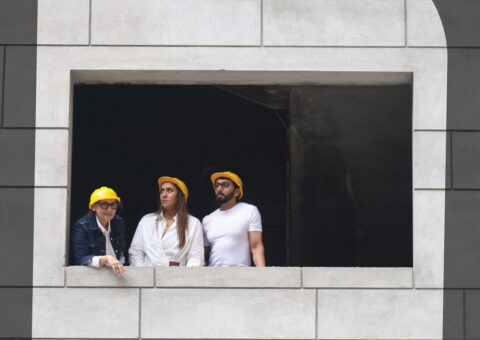
At Habitat, material intelligence is not a layer applied at the end of a project. It is embedded from the beginning. Material choices are aligned with spatial intent, climate, usage, and longevity. This approach allows spaces to feel resolved rather than styled—inhabited rather than displayed.
Ultimately, good materiality does not announce itself. It works quietly, shaping how a space is lived in day after day. When materials are chosen with intelligence, users may not remember why a space felt calm, welcoming, or balanced—but they will remember how it made them feel.
And that is where design does its most meaningful work.
Material Intelligence.
Where material choice becomes human experience.