Calm as a design discipline
I have always been drawn to spaces that allow you to arrive gently. Not spaces that announce themselves, but those that steady you—where the body relaxes before the mind even registers why. This instinct has shaped the way I think about interior design, across scales and typologies. Whether it is a studio, a home, a lounge, or a retail environment, the question remains the same: how does a space support the human state within it?
For me, interior design is not about transformation in the dramatic sense. It is about tuning. Adjusting proportion, light, material, and movement until a space begins to work quietly in your favour. Calm, in this sense, is not an aesthetic outcome—it is a functional one. It is designed. Structured. Considered.
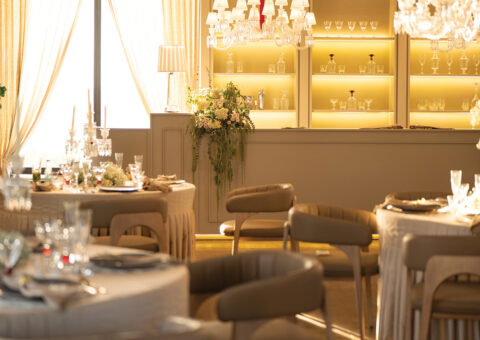
This philosophy extends naturally into hospitality-led spaces—airport lounges, arrival zones, places of transition—where people carry fatigue, anticipation, emotion. These environments demand sensitivity. They ask for clarity over excess, legibility over noise. When done well, they don’t compete for attention. They allow you to breathe, pause, and recalibrate.
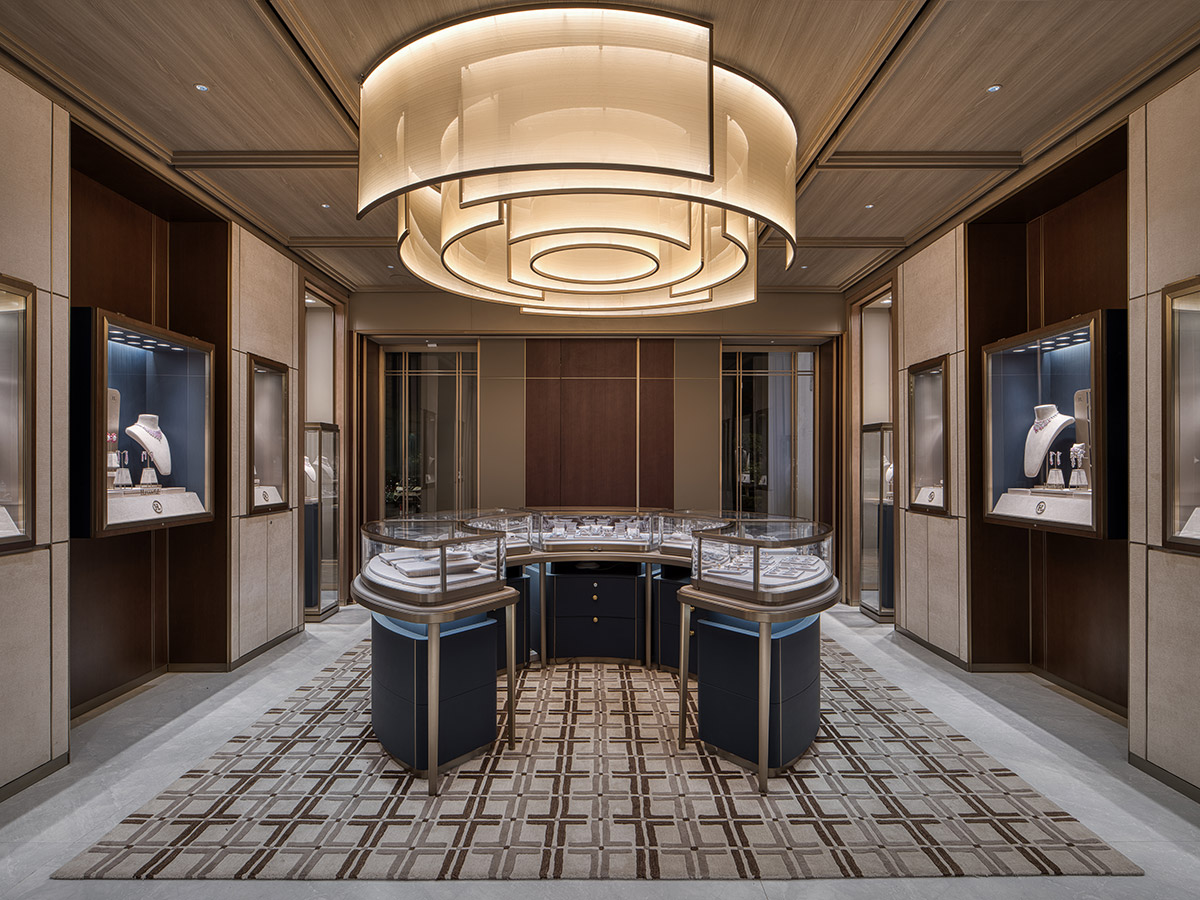
Retail, at its best, belongs to this same family of spaces. Not as a site of urgency or spectacle, but as an environment of trust and comfort. This understanding became central to the way I approached the Hazoorilal showroom. The brief was never about creating a display-driven interior. It was about creating a place of assurance—an interior that feels composed, generous, and enduring.
Hazoorilal carries a legacy that cannot be performed. It must be respected. The space needed to feel timeless rather than timely, restrained rather than declarative. I approached it much like a refined hospitality interior—layering light carefully, allowing materials to breathe, and designing circulation that feels instinctive rather than directed. The jewellery reveals itself gradually. Nothing rushes you. Nothing overwhelms you.
Atmosphere takes precedence over immediacy. Display becomes secondary to experience. The interiors are designed to hold conversations, to invite lingering, to allow familiarity to build over time. This is where I believe luxury truly resides—not in opulence, but in confidence. In spaces that don’t need to prove themselves.
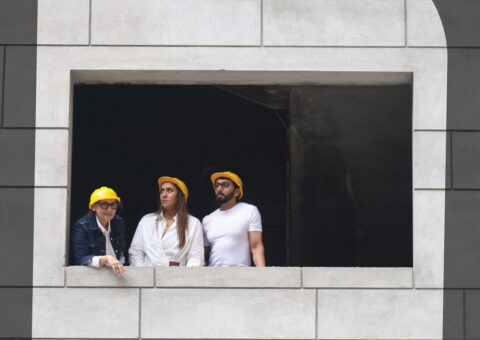
Designing the Hazoorilal showroom also marked a personal milestone—my first completed project in India—but more importantly, it reaffirmed a belief that runs through all my work. That the most successful interiors are those that age well. That remain relevant not because they followed a trend, but because they were grounded in proportion, restraint, and clarity from the start.
Watching the showroom get completed and opened for customers, sharpens this perspective. It reminds me that good design is not about constant reinvention, but about refinement. About knowing when to add, when to subtract, and when to simply let a space be. Whether it is a studio, a hospitality environment, or a legacy retail space, the goal remains the same—to design interiors that support life quietly, intuitively, and over time.
That, to me, is the essence of interior design.
Not loud. Not fleeting.
But deeply considered—and built to belong.