An Emerging Design Consciousness: Reflections from India Design ID 2026
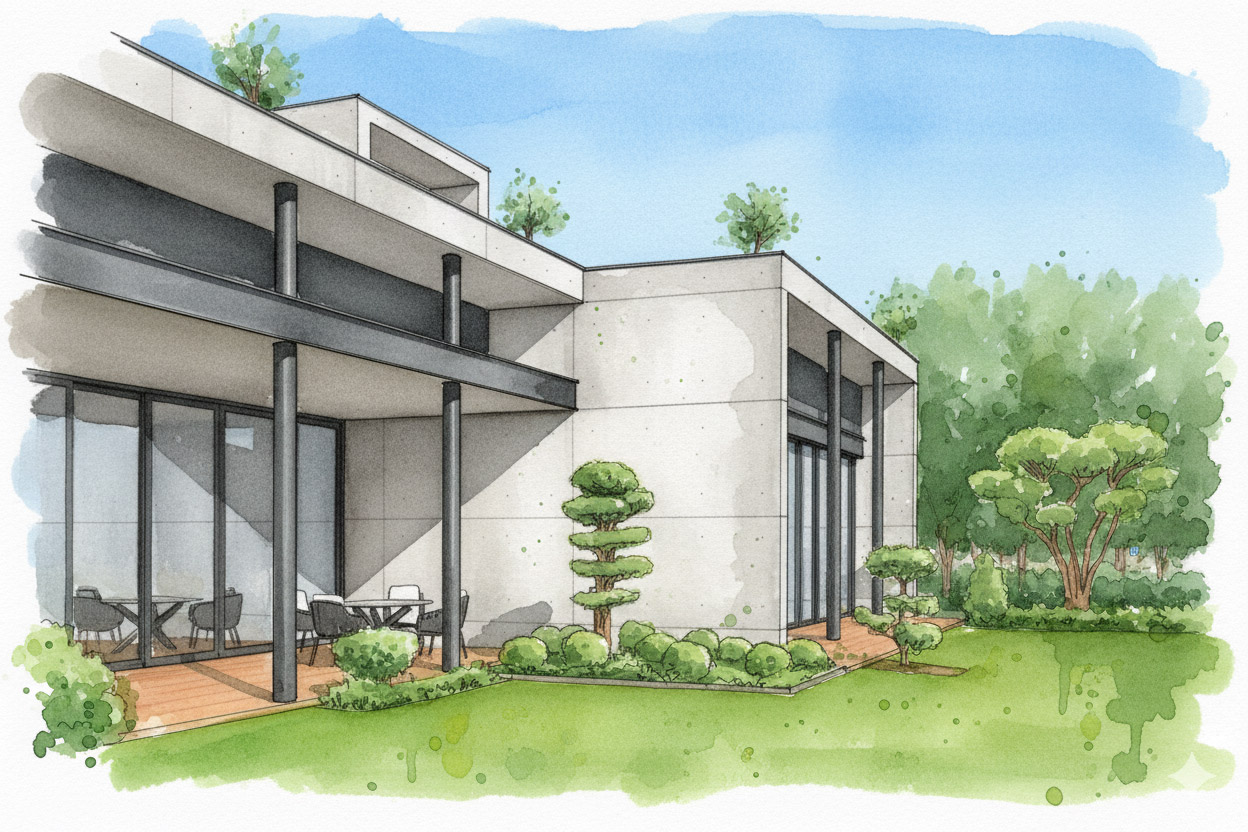
The India Design Symposium convenes leading voices from across disciplines to engage in critical dialogue on the evolving discourse of design in the country. Beyond conversation, it unfolds as a curated showcase, an expansive and immersive display of contemporary design bringing together a diverse spectrum of works by designers.
This year’s symposium felt less like a conference and more like a moment of alignment within the design community.
The panel discussions revealed a clear shift in discourse. There is a growing departure from surface-led conversations toward deeper questions—of longevity, of responsibility, of how design participates in shaping behaviour and not just space.
Design extends far beyond the finished product that meets the eye. It resides in the series of choices that shape it, from the underlying inspiration and concept of the artist to the selection of materials, their processes and the way they endure over time. These decisions carry narratives of abundance or restraint, of sustainability and responsibility, ultimately defining the imprint design leaves on the environment. What stood out for me was the honesty in the room. Less performance, more reflection.
One of the key takeaways for me was that design in India is entering a phase of self-definition. For the longest time, design remained outside the mainstream discourse in the country, perceived as a niche pursuit catering to a limited audience of connoisseurs. Its most visible expression often lay in the imitation of Western aesthetics, where design was reduced to a visual language to be adopted in order to elevate one’s lifestyle. This tendency extended across disciplines, from architecture and product design to furniture and fashion.
Today, that narrative is undergoing a significant shift. The focus is no longer on looking outward or aligning with external benchmarks, but on turning inward to reinterpret and redefine design within our own context. A more nuanced and self-aware discourse is emerging, one that embraces material intelligence, cultural specificity and environmental responsibility. Increasingly, this marks a move towards a distinctly indigenous yet contemporary design language, shaping a new era of sustainable and contextual aesthetics.
We are no longer looking outward for validation in the same way. There is a quiet confidence emerging—rooted in context, craft, and an understanding of our own complexity.
The NSIC ground exhibits were particularly interesting in this regard. They were not just displays—they were propositions. Ranging from finely crafted furniture and lighting to art installations, tableware, textiles, rugs and a diverse array of collectible objects, the showcase brought together a rich spectrum of design. Some explored material innovation with clarity, others leaned into craft revival with a contemporary lens. A few stood out for their restraint—where the idea was allowed to breathe without over-articulation.
The exhibition was meticulously curated, with a layout that ensured fluid circulation. The spatial design itself emerged as a considered intervention, where display and environment were seamlessly integrated, resulting in an experience that felt both cohesive and visually sumptuous.
The exhibition extended beyond established names to include emerging designers whose work, though early in their journeys, demonstrates remarkable finesse. In doing so, it actively resists the tendencies of elitism that have long shaped perceptions of design. By bringing together a wide spectrum of voices, it presents a more authentic and representative view of contemporary practice in India. The result is a celebration that foregrounds the diversity and sincerity of both the work and its makers, moving beyond exclusivity towards a more inclusive and grounded design discourse.
Platforms like these are critical, not for visibility alone, but for calibration. They allow practices to locate themselves within a larger conversation. To question, to refine, and to re-align.
It offers not only inspiration, but also a sense of assurance in engaging with the breadth of contemporary practice. There is a quiet satisfaction in becoming aware of the diverse pool of designers, the range of work being produced, and the evolving discourse shaping art and design today.
For me, the value lies in that collective pause—where the industry steps back, looks at itself, and quietly asks: what are we really building, and why?