AFTER LIFE: What Deserves to Stay?
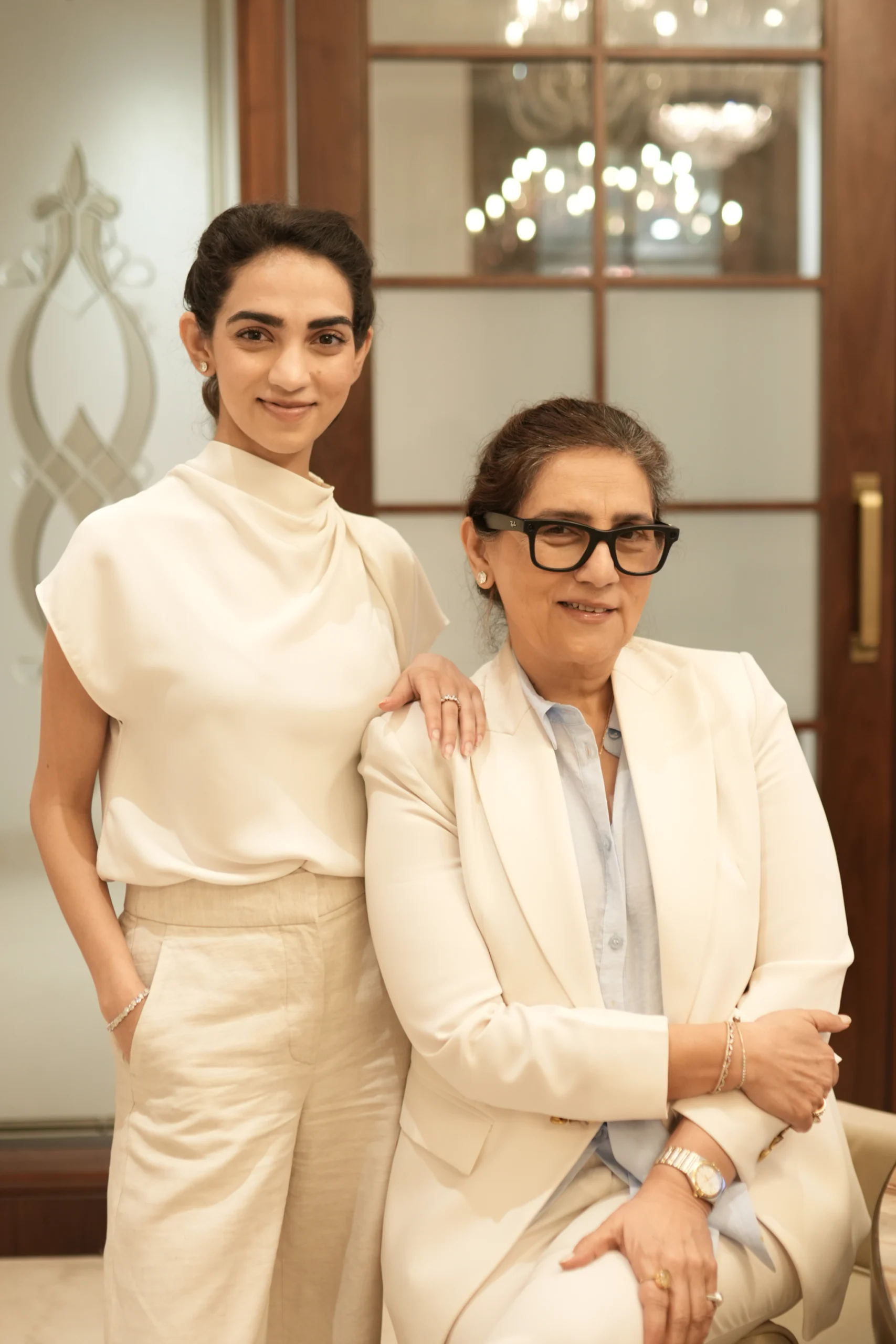
We rarely keep things for the reasons we first acquired them.
Over time, usefulness gives way to association. A material gathers wear. An object moves from one room to another, perhaps from one generation to the next. Its value begins to reside less in what it was made to do, and more in everything that has happened around it.
Some things survive because they are exceptionally made. Others because they carry memory, knowledge, craft or a sense of belonging.
That was the real starting point for Precious Objects 2026: AFTER LIFE, our curation for Design Democracy in Hyderabad.
Perhaps someone has used it every day for thirty years. Perhaps the hand of the person who made it is still visible. It may have travelled through several homes, belonged to someone before us, been repaired, altered, inherited or simply become so familiar that the room feels different without it.
Its original usefulness may have changed. Its monetary value may be beside the point.
Yet it stays.
That was where Precious Objects 2026: AFTER LIFE, our curation for Design Democracy in Hyderabad, really began.
We were not interested in assembling a room of expensive things, or even a collection defined only by rarity and extraordinary craftsmanship. We wanted to ask a harder question:
What earns permanence?
Once we began asking that of objects, it became impossible not to ask it of architecture too.
What earns permanence?
After more than three decades of designing spaces for people — and considerably longer observing how people actually live in them — I have stopped thinking of memory, belonging and attachment as soft subjects.
They are evidence.
An architect may draw a room for one purpose. A family occupies it and gives it another life. We specify materials when they are new; time tells us whether they acquire depth or merely deteriorate. We place objects carefully within interiors, yet years later the most meaningful things in those rooms may be the ones no designer selected at all.
I have watched people carry the same chair through several houses. I have seen immaculate new objects remain strangely untouched while an old table becomes the centre of family life. Materials gather marks, furniture shifts position, rooms change use. Children become adults. Parents grow older.
Architecture begins on paper, but meaning arrives through occupation.
That experience has changed the way I judge both spaces and objects.
So while looking at pieces for AFTER LIFE, I found myself asking many of the same questions I ask in architecture.
What intelligence is embedded in the material? Is the maker still present in the work? Will use make it richer or diminish it? Is its value dependent on novelty? Can it absorb another setting, another use, another generation?
And perhaps the hardest question of all:
Will somebody still care enough to keep it when we are no longer there to explain why it mattered?
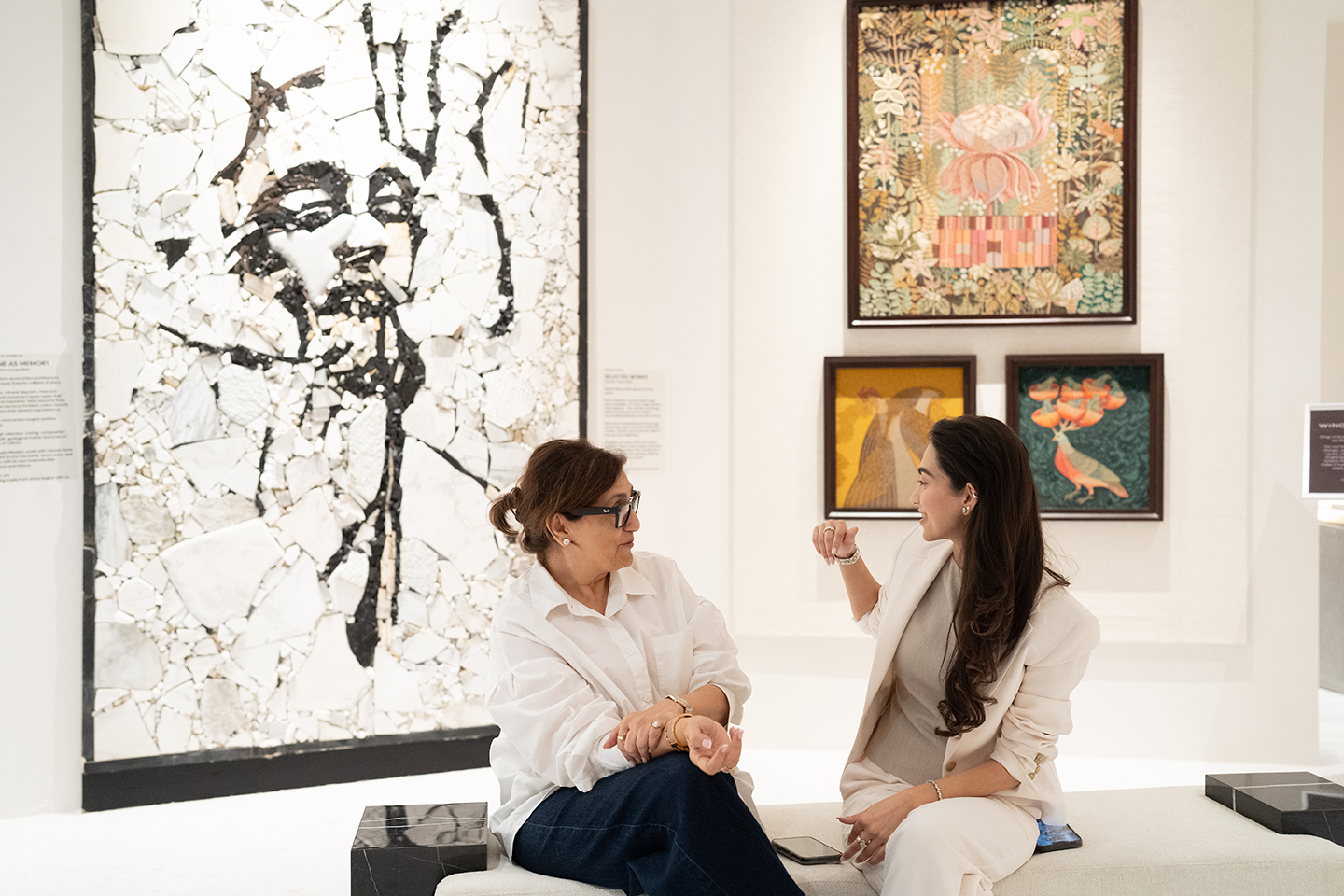
That is very different from asking whether something is beautiful.
Beauty can attract us immediately. Permanence has to earn itself over time.
Sarah kept complicating that question — usefully.
Because keeping something is not automatically virtuous.
Age does not confer significance. Tradition does not make every object intelligent. And nostalgia, however seductive, can easily become an excuse for holding on long after meaning has disappeared.
That tension became central to the curation.
Something did not belong in AFTER LIFE simply because it came from the past. It needed to carry something forward.
Perhaps material knowledge. Craftsmanship. Adaptability. Cultural memory. Technical intelligence. Emotional significance.
Or perhaps it possessed such clarity of purpose and beauty that another generation might choose it again without being instructed to revere it.
Preservation and accumulation are not the same thing.
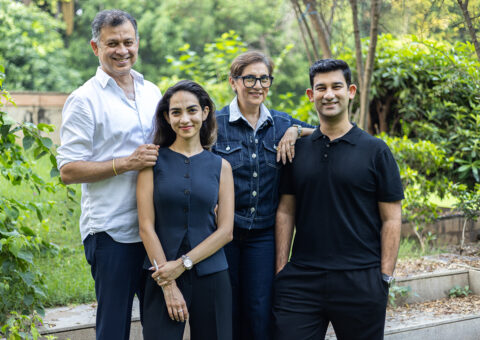
With Sarah there came in two ways of looking at the same thing .
She came to the curation wanting to understand the word precious more precisely.
We use it almost automatically around objects of rarity, cost or fine craftsmanship. But none of those attributes necessarily creates attachment. Sarah became interested in what happens after admiration.
Why do we form relationships with certain things?
Sometimes it is because of an extraordinary material or process. Sometimes an object carries the unmistakable trace of its maker. Sometimes its original function disappears and another one emerges.
And sometimes something quite ordinary becomes impossible to replace because life has accumulated around it.
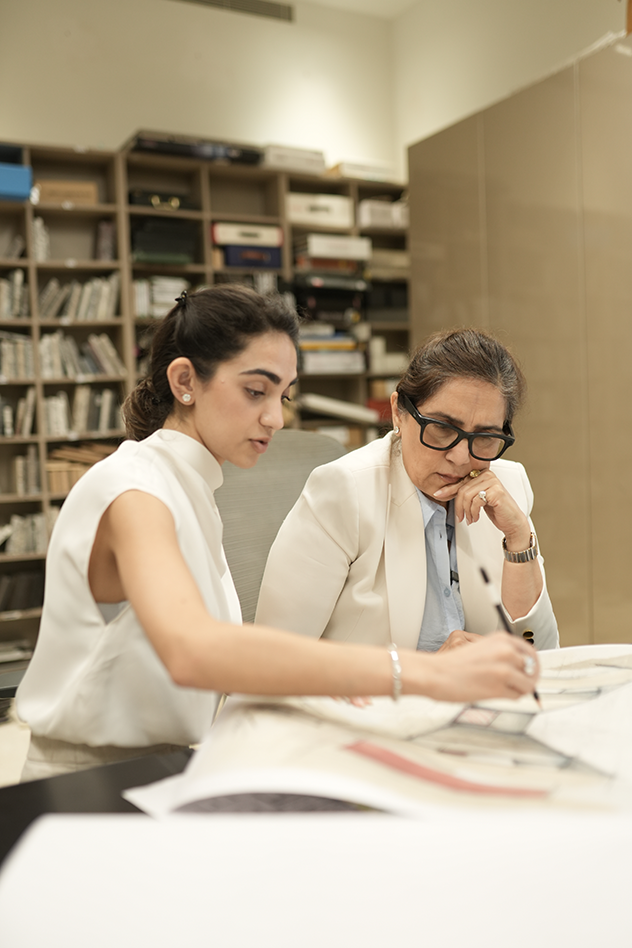
For both of us working together meant constantly testing those distinctions.
There were objects I responded to immediately but I wanted to understand what she had recognised in it . There were others whose making or formal quality interested her but she would ask whether technical achievement alone gave them enough meaning.
We rarely disagreed about whether something was beautiful.
We often questioned whether beauty was enough.
And that made the collection more rigorous.
What became interesting was not a simple difference between generations, but two forms of design intelligence shaped by different experiences.
I have spent decades seeing what happens to spaces after architects leave them — how clients live, how families change, what materials survive well, what objects become indispensable and what expensive decisions lose relevance surprisingly quickly.
Sarah brought me another lens formed through contemporary interiors, hospitality, new technologies, changing modes of inhabitation and a generation more willing to question ownership, permanence and accumulation themselves.
Neither perspective was there to correct the other.
They sharpened each other.
That was true of the objects, too.
We stopped asking only, Do we like this?
We began asking what each piece knew.
Some contained an extraordinary understanding of material. Some revealed years of skill in their making. Some carried cultural histories far larger than their physical scale. Others seemed capable of changing function, meaning or context without losing themselves.
And a few resisted explanation altogether.
You simply wanted to stay with them.
That response mattered.
Design culture can sometimes become so intent on explaining an object that we forget the first human act of recognition: something arrests us before we have found the vocabulary for why.
Experience teaches you not to dismiss that instinct.
Judgment asks you not to stop there.
The room as part of the curation
Once we understood the objects this way, the room around them could not be neutral.
We did not want a conventional display where every piece sat politely on a pedestal waiting to be inspected.
If the subject was the continuing life of objects, visitors needed to encounter them rather than simply view them.
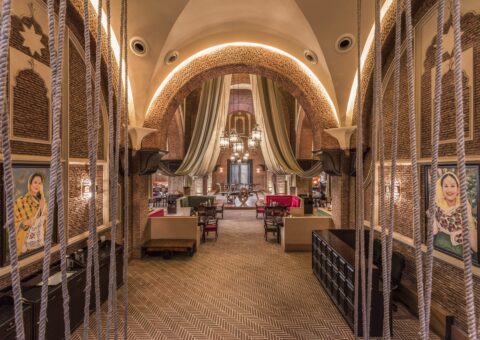
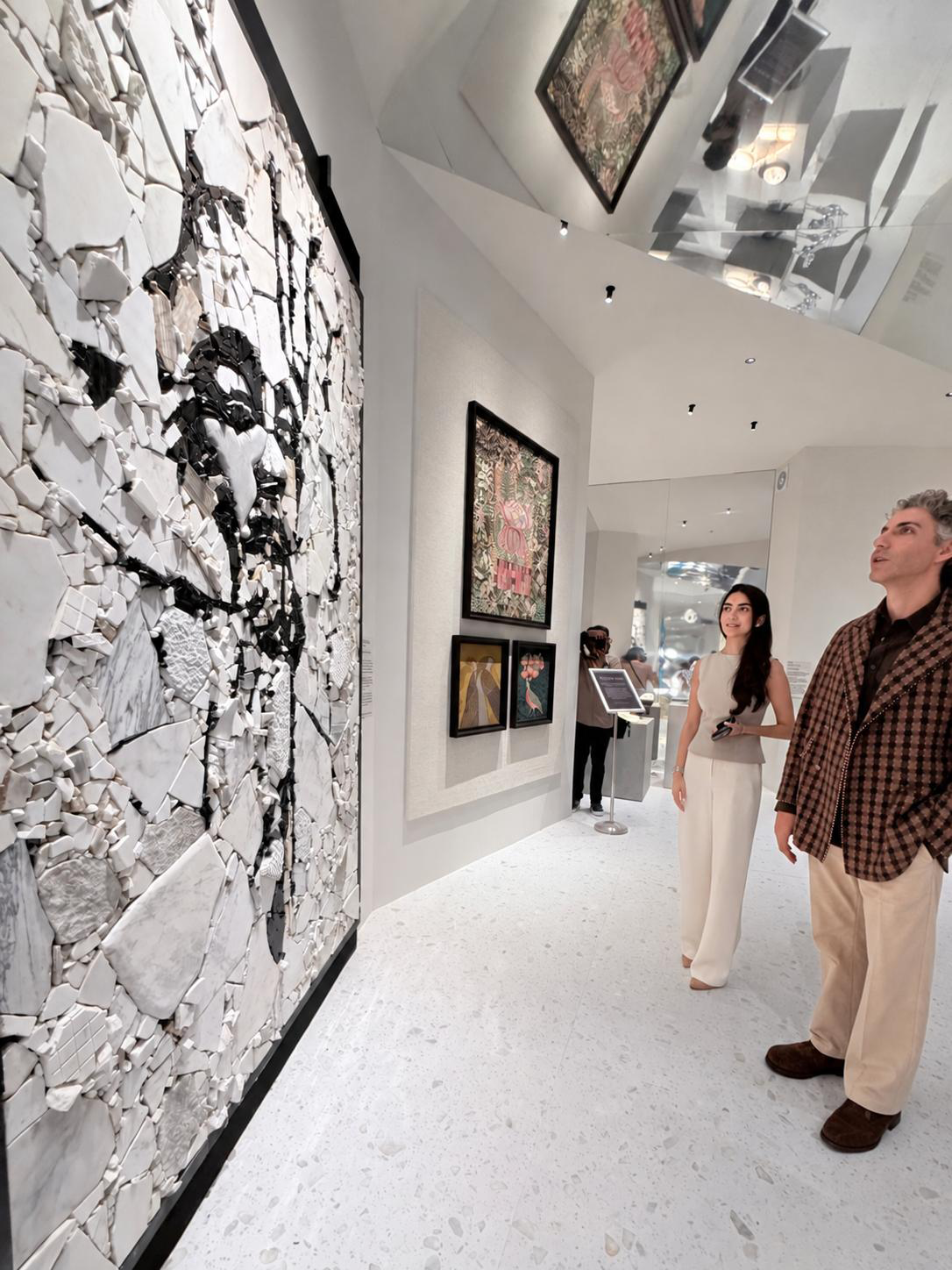
The room was shaped by white lime-plastered parametric forms and polished steel, creating a field of reflection that resisted a singular viewpoint. Objects appeared, disappeared and returned as visitors moved; the mirrored ceiling drew people into the composition, while pale terrazzo and simple stone plinths receded quietly into the background.
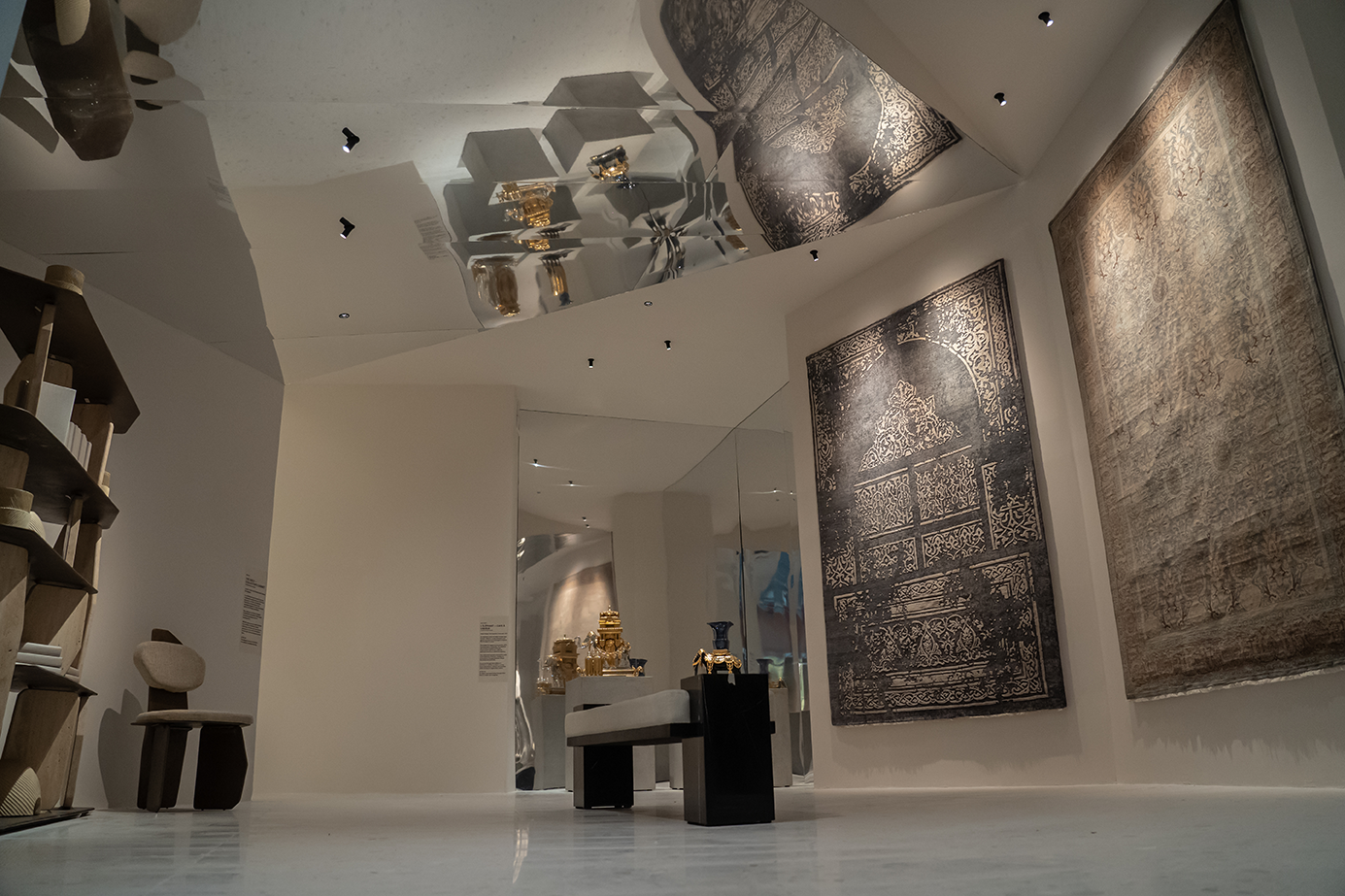
Compression and release were central to the sequence. Narrower passages slowed the body; wider volumes allowed objects to reveal themselves gradually. The spatial design was not simply a setting for display, but a device for encounter—bringing object and viewer into a more deliberate relationship.
We designed architecture to work through distance, reflection, sequence and pause.
You move through it.
Something catches your eye.
Its reflection may reach you before the object itself.
Another piece enters your peripheral vision. Then another person does. Your own reflection becomes part of what you are looking at.
Nothing remains completely still.
That was intentional.
Because context changes our understanding of things.
An object behind museum glass tells one story. The same object in the house where it has lived for generations tells another. Something held in the hand is understood differently from something seen from across a room.
I strongly feel architecture cannot script an encounter. But it sure can prepare for one.
It can determine distance.
It can shape light.
It can offer a place to pause. It can decide what competes for attention and what recedes.
And then people arrive and do the rest.
This for us at ZHC is museum architecture and that is one of the most interesting aspects of spatial design: you build the conditions for life without pretending you can predetermine it.
AFTER LIFE began with objects, but inevitably brought us back to buildings.
What deserves to remain?
Architecture understandably discusses longevity through performance: energy, resources, structure, technology and material efficiency.
But there is another dimension that interests us just as much.
Emotional durability.
A building people value is more likely to be cared for.
A material that acquires character with age has a different future from one that appears exhausted the moment it is no longer pristine.
A room capable of absorbing changing ways of living may outlast several cycles of fashion.
And an object that gathers meaning becomes increasingly difficult to discard.
This is where our own understanding of luxury has also evolved.
Luxury, over time, becomes less about abundance and more about discernment.
Understanding where a material comes from. Recognising skill. Knowing when craftsmanship contributes genuine meaning rather than decoration. Knowing when to intervene and when something already valuable should simply be allowed to remain.
It means making things capable of taking time rather than fearing it.
And increasingly, it means asking whether what we put into the world possesses enough intelligence, usefulness, beauty or emotional resonance for somebody to want to care for it after us.
That is relevant to an object.
It is equally relevant to a house, a hotel or a piece of architecture.
Perhaps responsible luxury begins precisely there: not with how much we can add, but with the judgment to know what is worth making well enough to endure.
And then the exhibition opened.
The objects began doing things we had never written into the curatorial brief.
Visitors brought their own histories into the room. Each had its own pull.
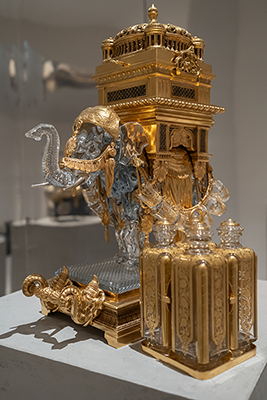
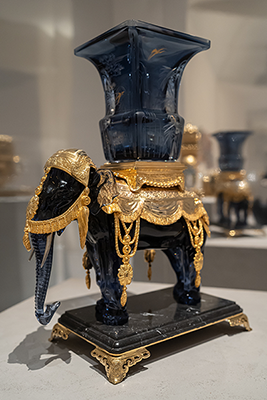
A pair of Baccarat elephants opened an extraordinary conversation around Baroda, patronage and the relationship between Indian royal houses and European ateliers, the pieces I believe bought in Her Highness Maharani Radhikaraje Gaekwad of Baroda.
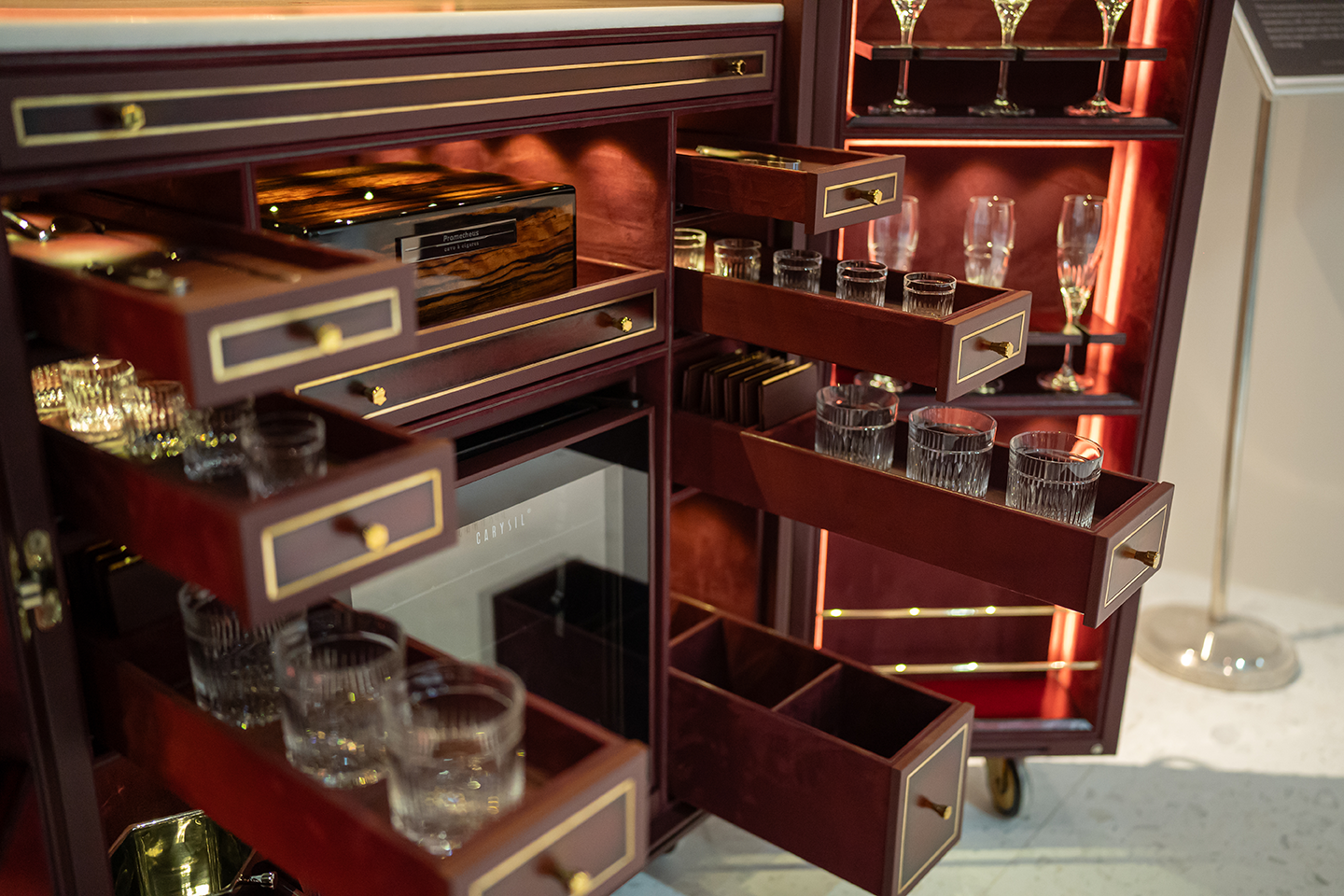
The extraordinary trunk from Trunks Company Jaipur became one of the room’s strongest magnets. Perhaps because a trunk is already a kind of architecture in miniature, a private world designed to open, close, protect and travel. It may contain objects, but with time it begins to contain departures, arrivals, rituals and memory. Watching people gather around it reminded us that function can be the beginning of an object’s story, rather than its end.
Stone led to conversations about sculpture, movement and the intelligence of material.
Objects that we had selected for one reason were recognised by somebody else for another entirely, Jim Sarbh, an actor extraordinaire, we as a family loved the Netflix series Titan and became ardent admirer of his restrained portrayal, literally walked in gravitating towards the Moorgen lamp.
The room began accumulating stories.
Perhaps that was the final part of the curation we could never have designed.
We had chosen the objects.
We had established their relationships.
We had built the room around them.
But people brought the memories.
And once they did, authorship changed.
That is when AFTER LIFE truly began.
We started this process asking what makes an object precious.
We are less interested in answering that now than we are in asking what makes something worth keeping.
Price can establish rarity, but not attachment.
Age can establish history, but not relevance.
Craft can demonstrate mastery, but an object still needs a life beyond technique.
Memory matters enormously, but memory alone cannot turn everything into something that deserves preservation.
Perhaps permanence emerges when material, making, use, memory and human attachment begin to reinforce one another.
The real test comes later.
When the original purpose is over.
When fashion has moved on.
When the first owner is no longer there.
When another generation encounters what we have made without being told why it should matter.
Will they choose it again?
For us, that is the question sitting quietly at the centre of AFTER LIFE.
And increasingly, it is a question we bring back to architecture itself.
The truly precious is not simply what we possess.
It is what we understand deeply enough to value, make intelligently enough to endure, care for well enough to preserve — and leave meaningful enough for someone else to choose again.
That is an afterlife worth designing.